Our Story
The Life and Legacy of Louisa Briggs
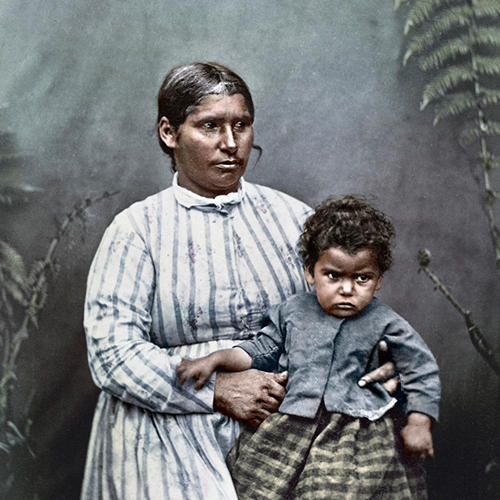
We remember Louisa Briggs as one of our own—a Boonwurrung woman whose life stands as a testament to our strength, our connection to Country, and our ongoing fight for justice and dignity. Her journey is not just her story, but ours—a story of family, resilience, and the unbroken thread of Boonwurrung identity.

Our Beginnings
Louisa was born around 1832, in Naarm. Her early years were shaped by the meeting of cultures in the rugged Bass Strait Islands and Port Phillip, her traditional country. Her mother was Boonwurrung, her father a white man, and together they moved between islands and mainland,carrying with them the knowledge and traditions of our people. From the start, Louisa’s life was woven into the fabric of our kinship networks—her story is part of the larger story of the Kulin Nation and Boonwurrung People.
Family, Hardships, and Strength
In the late 1840s, Louisa married John Briggs. Together with Anne—Louisa’s aunt and co-wife, they
built a family that endured hardship and change. We see in their lives the strength that comes from
kinship: raising children, working as shepherds and labourers, moving between goldfields and rural
properties, always supporting each other through poverty and instability.
Louisa raised at least nine children, often under the harshest conditions, but always with love and
determination.
Finding Refuge and Leading at Coranderrk
By 1871, our family sought refuge at Coranderrk Aboriginal Station. Here, Louisa became a nurse, carer, and later the first Aboriginal woman to be appointed matron. She looked after our women and children, ran the dormitory, and provided midwifery care. Her leadership was felt by all—she stood up for us when times were hard.
Louisa’s voice was powerful. In 1876, she gave evidence to government inquiries about life at Coranderrk. She spoke clearly about what we needed: land, housing, rations, medical care, and above all, the right to keep our families together. She challenged those who tried to control us and fought for our dignity.
Exile and Return
Our struggle did not end at Coranderrk. After John and Anne passed away in 1878, Louisa was expelled from Coranderrk for her activism. She took her children to Ebenezer Station, where she continued to serve as matron and nurse. Even in exile, she wrote letters and petitions demanding better treatment for us all.
Louisa returned to Coranderrk in 1882 after another inquiry changed official policy. But in 1886, new laws forced many of us—labelled “half-castes”—off Victorian reserves. Louisa and her family travelled to Maloga Mission in New South Wales, then to Cummeragunja Reserve. Despite repeated requests, she was never allowed to return home to Coranderrk.
Our Advocate and Matriarch
Throughout her life, Louisa never stopped fighting for us. She led campaigns, wrote letters, gave evidence at inquiries, and always spoke up for our rights—especially for women and children. She showed us how to stand strong in the face of injustice.
Louisa died at Cummeragunja in 1925. Local children covered her coffin with violets—a sign of the respect she earned as a matriarch and leader.
Louisa’s Children
Louisa’s children, grandchildren and great-grandchildren carried on her legacy.
As a Boonwurrung descendant, we recognise the important role that our ancestors played in
standing up for our rights to our traditional Kulin lands.
In May 1882, two of Louisa’s children—William Briggs and John “Jack” Briggs—together with their brothers-in-law, John Charles (who married my ancestor Elizabeth Briggs) and Allan Barkly (who married Sarah Briggs), took a significant step to assert our family’s connection to Country.
On 1 May 1882, these four family members signed a formal letter requesting land on our ancestral Kulin Country. This act was not just about seeking land; it was about our family coming together to have our relationship to Country recognised and respected.
The provenance of this letter is clear—it was discovered in the Victorian Archives and stands as an important historical record. It shows the formal process our ancestors undertook in the late nineteenth century to assert our traditional rights and maintain our connection to Kulin Country.
Our Legacy
Louisa’s legacy lives on through us—her descendants and all Boonwurrung people who continue to care for Country, uphold our culture, and fight for justice. Her story is not just history; it is a living reminder that we are still here. We honour her by remembering her courage, her love for family, and her unwavering commitment to our people.
Let us carry forward her spirit—standing together as Boonwurrung people, proud of who we are and where we come from.
Louisa Briggs Sculpture
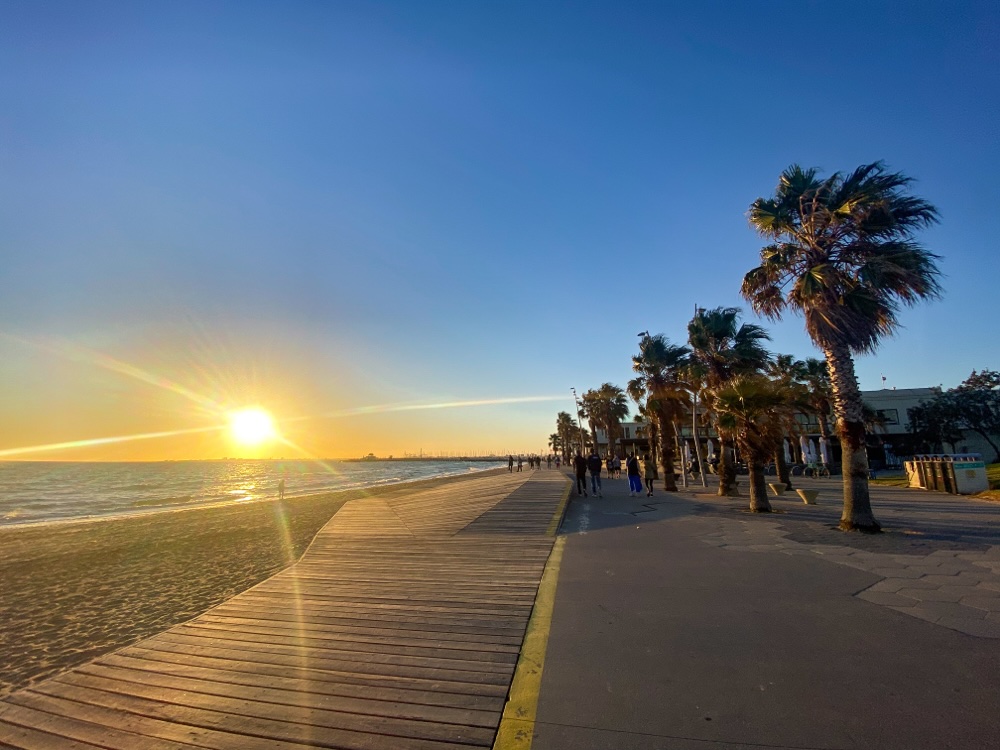
The sculpture will stand as a prominent, iconic piece that invites visitors to explore the precinct and
serves as a landmark.
The project is a partnership with the Boonwurrung Land and Sea Council, led by N’arwee’t Carolyn Briggs, a direct descendant of Louisa Briggs. The sculpture will celebrate her significant contributions to the Indigenous community and their history. The sculpture will serve as a powerful symbol of resilience, cultural heritage, and the ongoing fight for social justice.
The sculpture will symbolise Louisa Briggs’ enduring legacy as a protector of her people’s rights and a guardian of cultural traditions. It will highlight her significant contributions to the fight against the injustices faced by Aboriginal communities, particularly women and children. The artwork will be designed to reflect the strength, compassion, and wisdom that defined Louisa Briggs’ life, serving as both a memorial and a source of inspiration for future generations.
Following a comprehensive selection process, the artist team of Dagmar Cyrulla and Eolo Paul Bottaro were appointed to create the sculpture. The artist team were selected for their combined creative strengths, depth of research and consideration for the significance of this commission as led by N’arwee’t Carolyn Briggs.
Both award winnings artists in their own right, Dagmar and Eolo have worked together for over two decades with complimentary and multidisciplinary studio practices.
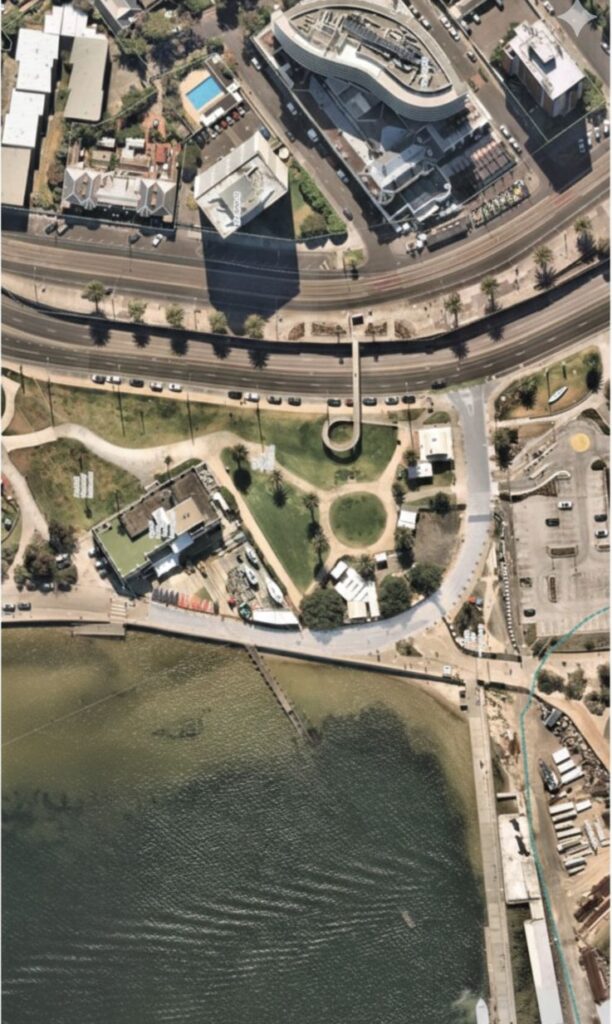
The sculpture will be located on the foreshore of St Kilda and we will update you on the progress of this significant achievement.